

Imagine a clothing manufacturing company. Everything seems to be running smoothly: the machines are running at full speed, employees are at their stations, and raw materials are stacked in the warehouse.
Yet, costs are rising, delivery times are getting longer, and inventory fluctuates between costly excess inventory and unexpected shortages. The problem? A lack of effective operational planning.
Operational planning connects all company processes, including inventory management and equipment maintenance, from procurement to production.
Well-structured planning aligns the key elements of the supply chain – production planning, material requirements planning (MRP) and production scheduling to optimize each stage.
1- Resource Optimization: From Staff to Machines
Resource optimization is essential to ensure maximum productivity at a minimum cost. This optimization begins with capacity planning, which forecasts demand and ensures the availability of the necessary resources. This requires demand forecasts or production and sales histories.
Let’s take the example of a textile company, where demand peaks at the change of season. Thanks to efficient operation planning, schedules are adjusted according to the periods of activity. A reduced workforce may suffice during off-peak periods, whereas during peak periods, a manpower shortage could lead to delays and costly overtime.
Machine optimization is just as crucial. A well-constructed production plan determines when and how to use machines to avoid downtime and maximize productivity. Poor planning can lead to unnecessary costs, such as energy expenditure and premature wear and tear on equipment. Advanced Planning and Scheduling (APS) systems can simulate different scenarios to minimize production downtime.
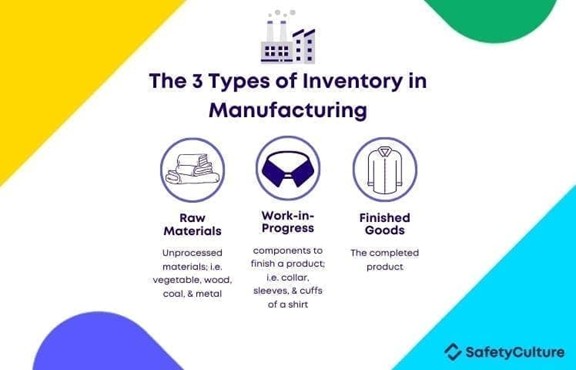
2- Raw Material and Inventory Management: Synchronizing Flows to Reduce Costs
Effective raw materials and inventory management is essential to avoid costly surpluses and shortages that paralyze production. Operational planning, using tools such as MRP and Just-in-Time, enables material flows to be synchronized with actual production and demand.
Let’s take the example of a clothing manufacturer. By analyzing historical data and anticipating future trends, the company can adjust its fabric orders to avoid surpluses that tie up capital or shortages that delay production. Thanks to a robust planning system, it knows precisely when to order, how much to order, and how to organize deliveries to maintain optimal flow throughout the supply chain.
This approach reduces the costs associated with excess storage, minimizes production interruptions, and frees up financial resources for other strategic investments.
3- Predictive Maintenance: Reducing Downtime and Maximizing Equipment Availability
Effective planning also incorporates predictive maintenance to anticipate and avoid costly breakdowns. Using intelligent sensors and machine learning algorithms, real-time data can be collected to predict failures before they occur.
This proactive approach minimizes unscheduled downtime and optimizes equipment maintenance while ensuring that machines run when needed most. For example, a plant that schedules maintenance during periods of low activity avoids costly production interruptions during periods of high demand.
4- Process Standardization and Automation
Optimizing resources, inventory, and maintenance alone is not enough. Standardizing and automating internal processes to improve operational productivity is essential.
Standardization makes processes more predictable, facilitating automation. For example, order and inventory management can be automated using tools such as ERP, reducing human error and speeding up processes. Once processes have been standardized, automation enables employees to concentrate on higher value-added tasks, such as developing new products or improving customer service. At the same time, reorganizing workflows can help maximize team efficiency.
Companies can minimize waste and reduce redundancies in their operations by grouping similar tasks and reallocating resources according to skills and availability. For example, a company adopting Lean Manufacturing can use process mapping to identify inefficiencies and automate repetitive tasks.
5- Reduce Logistics Costs Through Better Delivery Planning
Finally, operational planning has a direct impact on logistics costs. By optimizing delivery routes and schedules, companies can reduce transport costs and avoid penalties for delays.
A good example is a distribution company that, by effectively planning deliveries, can minimize the distances covered by its trucks, thereby reducing fuel and maintenance costs. Transport management systems (TMS) enable routes to be adjusted in real-time, contributing to more efficient and less costly delivery.
Conclusion: Planning Leading to Efficiency
In short, operational planning links all the supply chain elements, enabling companies to optimize their resources, inventories, maintenance, and deliveries. Thanks to rigorous planning and tools such as MRP, ERP, and predictive maintenance systems, companies can increase productivity, reduce costs, and improve responsiveness.
This company’s story illustrates how an integrated approach to planning can transform disparate processes into a well-oiled machine, where every step is synchronized to maximize efficiency and profitability.
The base key to launching these improvement initiatives, which is often overlooked, is data—are your data accessible and organized? We’ll discuss this further in a future article!


